

General information

Alerts
notifications

History
Nestled between the Saguenay and Lac Saint-Jean, the municipality of Larouche is a peaceful place where nature and community meet harmoniously. Founded in 1895 by William Larouche and his wife, the municipality has grown over the decades thanks to its forestry and rural roots, continuing to attract many residents today.
The municipality has two housing developments located in the village center and in the resort sector. The heart of the municipality is rooted between Route 170 and the railroad, along rue Gauthier, where the municipality's main services and parish centre are located.
The municipality of Larouche was founded in 1895 by William Larouche and his wife Marie-Louise Gilbert.
1888
1892
1895
1897
1898
1911
1917
1924
1960
1962
1976
1984
Facts highlights
Municipality name
Before it was called Larouche, the municipality bore two different names. First Dorval, then Kénogami, both of which have since disappeared!
Current mayor
Guy Lavoie, 18th to hold this position.
Provincial constituency
Lac-Saint-Jean
Federal constituency
Jonquière
Territory
89.24 km² with some forty bodies of water
Administrative territory
Le Fjord-du-Saguenay RCM
Population in 2024
1810 citizens
Situation
Sociological and cultural situation
The municipality of Larouche shines with its strong community identity. The involvement of volunteers and community organizations fosters collective life and energizes the area. Every year in December, the municipality hosts a recognition evening for nearly 80 volunteers from various municipal committees, such as the leisure commission, the development committee, the MADA-PFM committee, the collective kitchen committee, the urban planning commission, and the municipal library.
For several years, the municipality was recognized for the importance it placed on art and culture. In 1984, the artist Claude Simard, a native of Larouche but best known in the major art galleries of New York, managed to get funding for a mural project on the walls of St-Gérard-Majella church, depicting the Old Testament. The biblical frescoes welcomed 10,000 visitors in a few weeks, and a report by Bernard De Rome was presented on Radio-Canada.
Economic situation
The economic situation of the municipality of Larouche benefits from its location between two urban centers (Saguenay and Alma). The growth of residential real estate attracts young families due to the more affordable housing prices in rural areas.
Taking advantage of its proximity to the regional road (Route 170) and its proximity to the Saguenay-Roberval railway, these two transportation routes lead to the majestic Saguenay Fjord with the port of La Baie. The industrial area for material export is underdeveloped. Larouche has also welcomed the MATREC center for the establishment of a landfill site for organic waste. The municipality's financial situation is healthy, given the royalties received from MATREC as well as the royalties from the MRC du Fjord's own funds.
Demographic situation
In 2024, the number reached 1810. A growth of 7.35% in 2 years. For the past ten years, several young families have chosen to settle in the municipality of Larouche because of its peaceful natural environment. The proportion of elderly people is increasing, which influences the goods and services sought.
The Versant de Larouche primary school is under the jurisdiction of the Commission scolaire de la Jonquière. The primary school welcomes 180 young people from Larouche and part of Lac Kénogami, which extends from the southern border of Larouche to the end of Kénogami Road in Saguenay.
Geographic location
Today, the locality has 89.24 km² of territory bordering the Saguenay River to the north, Lake Kénogami to the south, Alma and Hébertville to the west, and Saguenay (Sectors Jonquière-Nord, Jonquière and Lac Kénogami) to the east. Located between the Saguenay and Lac-Saint-Jean, the municipality of Larouche is the link between the regions.
The municipality is divided into several distinct sectors:
- The village sector
- Bay Cascouia right sector
- The right bank of Camp Lake sector
- The Left Camp Lake sector
- The Moquin sector
- The Dorval sector
- Le secteur du chemin du Ruisseau
- Ocaya Bay sector
- The industrial park and Lac Hippolyte sector.
Environment
As elsewhere in Quebec, the municipality is increasingly attentive to environmental issues. (Local products, respect for nature, waste management, energy efficiency).
Furthermore, the MRC du Fjord-du-Saguenay made a huge shift in the fall of 2025 by reducing the number of residual waste collections and decreasing the number of pickups per household. However, the number of recycling and compost bins was increased to promote good consumption practices.
Municipal Development
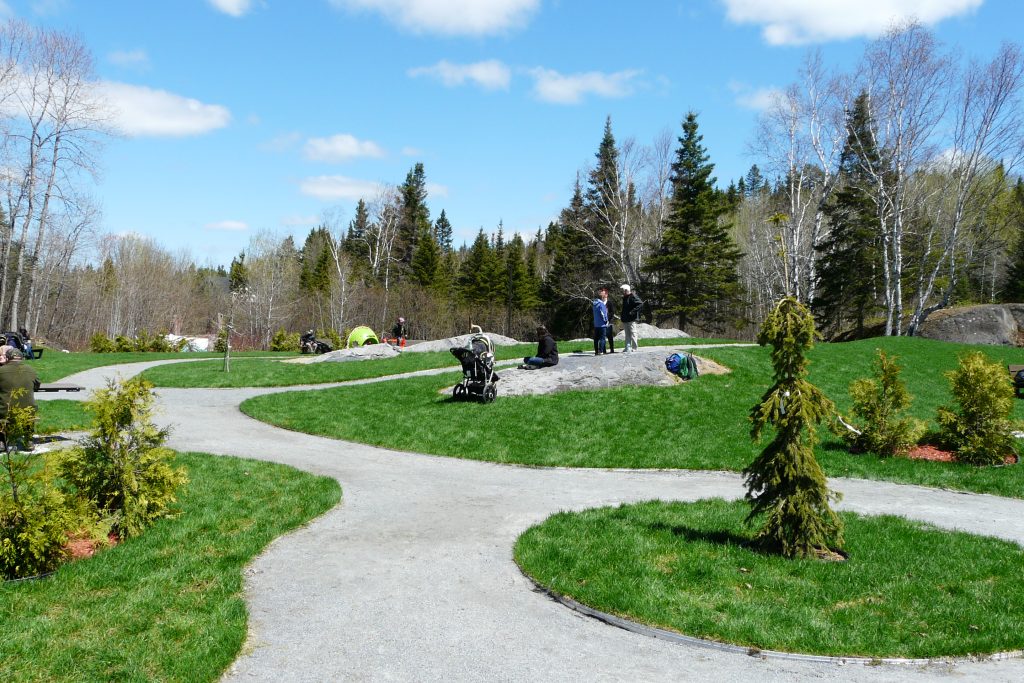
The municipality is investing heavily in municipal development and its recreational facilities (William Larouche Park, walking trails around Lac de l’Aqueduc, Cascouia Park, covered skating rink, community kitchen).
The municipality has authorized the establishment of a pilot family daycare project on municipal premises, allowing 12 children to find a nurturing environment to prepare them for preschool.
City Council
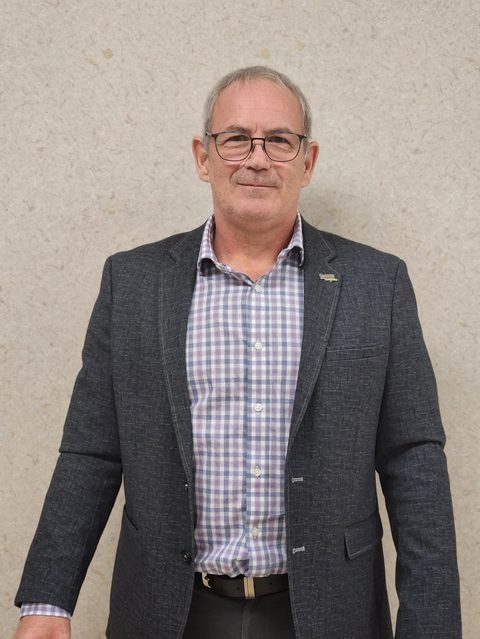
Mandates:
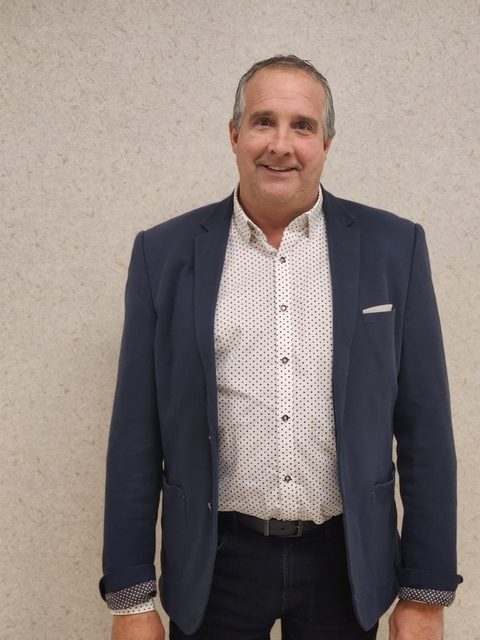
Mandates:
Documentation:General information
Communication management policy
Open documentComplaints management policy
Open documentDirective_MunLAR_20250226
Open documentForm
General complaint form
Final claim form
General complaint form
Final claim form

Employees
Robin Labrecque
Public works foreman
Shirley Hébert
General Manager and Clerk-Treasurer
Our offers employment
Not found what you're looking for?
Head counselor - day camp
Send your application by:
24/03/2025 12:59 pmBy post:
Job offer: chief animator
Larouche Day Camp
610 Lévesque Street, Suite 205
Larouche, Quebec G0W 1Z0By e-mail:
loisirs@larouche.caNot found what you're looking for?
Head counselor - day camp
Send your application by:
24/03/2025 12:59 pmBy post:
Job offer: chief animator
Larouche Day Camp
610 Lévesque Street, Suite 205
Larouche, Quebec G0W 1Z0By e-mail:
loisirs@larouche.caNot found what you're looking for?
Head counselor - day camp
Send your application by:
24/03/2025 12:59 pmBy post:
Job offer: chief animator
Larouche Day Camp
610 Lévesque Street, Suite 205
Larouche, Quebec G0W 1Z0By e-mail:
loisirs@larouche.caNot found what you're looking for?
Head counselor - day camp
Send your application by:
24/03/2025 12:59 pmBy post:
Job offer: chief animator
Larouche Day Camp
610 Lévesque Street, Suite 205
Larouche, Quebec G0W 1Z0By e-mail:
loisirs@larouche.caOur offers employment
Not found what you're looking for?
Head counselor - day camp
Send your application by:
24/03/2025 12:59 pmBy post:
Job offer: chief animator
Larouche Day Camp
610 Lévesque Street, Suite 205
Larouche, Quebec G0W 1Z0By e-mail:
loisirs@larouche.caNot found what you're looking for?
Head counselor - day camp
Send your application by:
24/03/2025 12:59 pmBy post:
Job offer: chief animator
Larouche Day Camp
610 Lévesque Street, Suite 205
Larouche, Quebec G0W 1Z0By e-mail:
loisirs@larouche.caNot found what you're looking for?
Head counselor - day camp
Send your application by:
24/03/2025 12:59 pmBy post:
Job offer: chief animator
Larouche Day Camp
610 Lévesque Street, Suite 205
Larouche, Quebec G0W 1Z0By e-mail:
loisirs@larouche.caNot found what you're looking for?
Head counselor - day camp
Send your application by:
24/03/2025 12:59 pmBy post:
Job offer: chief animator
Larouche Day Camp
610 Lévesque Street, Suite 205
Larouche, Quebec G0W 1Z0By e-mail:
loisirs@larouche.caNot found what you're looking for?
Head counselor - day camp
Send your application by:
24/03/2025 12:59 pmBy post:
Job offer: chief animator
Larouche Day Camp
610 Lévesque Street, Suite 205
Larouche, Quebec G0W 1Z0By e-mail:
loisirs@larouche.caOur offers employment
Not found what you're looking for?
Head counselor - day camp
Send your application by:
24/03/2025 12:59 pmBy post:
Job offer: chief animator
Larouche Day Camp
610 Lévesque Street, Suite 205
Larouche, Quebec G0W 1Z0By e-mail:
loisirs@larouche.ca

Latest news: General information
FREQUENTLY ASKED questions
General information
Question 1 General Information
General Information
Question 2 General information
Response 2 General Information
Question 3: General Information
Response 3 General Information
Where can I get involved as a volunteer?
Job offers
contact us
Our opening hours
Monday to Thursday :
Friday :
Our offices
Emergency contact
Director General
418-815-5078
Public Works
418-321-1167
Complaint Form